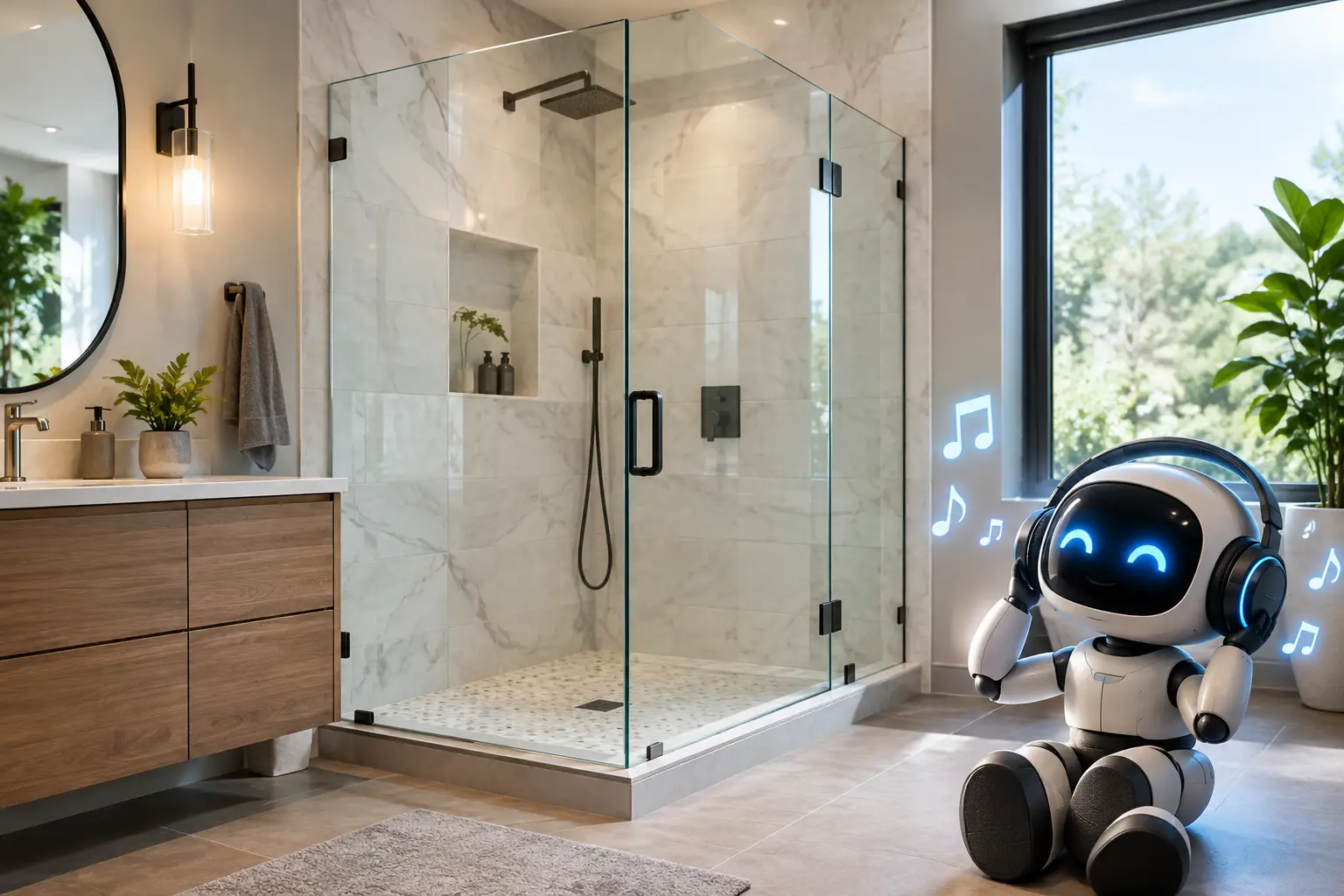
A shower enclosure can look simple in a showroom and become complicated the moment it meets a real bathroom. Walls may not be perfectly plumb, tile layouts may create awkward stopping points, and a curb may slope slightly for drainage. Custom shower doors are designed around those realities, giving homeowners a finished enclosure that looks intentional, operates properly, and suits the way the room is used every day.
For a bathroom renovation or new build in the Edmonton area, the right shower glass is not only about choosing clear panels. It is about getting the proportions, hardware, opening direction, clearances, and installation details right before glass is fabricated. That careful planning is what turns a practical shower barrier into a polished part of the room.
Why Custom Shower Doors Make a Noticeable Difference
Standard-size shower doors can be a workable option when a shower opening is square, level, and built to common dimensions. Many bathrooms are not. A custom enclosure accounts for the exact opening, wall conditions, tile thickness, curb position, and surrounding fixtures rather than asking the room to conform to a preset product.
The visual difference is often immediate. Glass can align with a tile joint, stop neatly at a bench, follow the edge of a pony wall, or create an open sightline to a feature wall. These details matter in compact bathrooms, where bulky framing can make the space feel closed in, and in larger primary baths, where the shower often acts as a focal point.
Fit also affects performance. Properly measured and professionally installed shower glass helps manage water where it belongs while allowing doors to swing and close without rubbing nearby walls, vanities, or toilets. No glass enclosure can compensate for poor shower waterproofing or drainage, but precise planning reduces avoidable gaps, alignment issues, and day-to-day frustration.
Start With How the Shower Needs to Work
Before selecting glass or hardware, consider how the shower will be used. A door that looks ideal in a design photo may not be the best option if the bathroom has limited clearance or if multiple users need easy access.
A hinged door offers a clean, substantial feel and works well when there is enough space for its swing path. It can open inward, outward, or in some cases both ways, depending on the hardware and layout. Outward opening is often preferred for safety and access, but it requires clear floor space beyond the curb.
A sliding system can be a better fit where a swinging door would interfere with a vanity or toilet. It also allows a wider opening in certain layouts, though tracks and rollers introduce more components to clean and maintain. Fixed glass panels are especially effective for walk-in showers. They create an open, modern appearance, but the shower must be sized and positioned to keep water from reaching the main bathroom floor.
The most suitable configuration depends on more than style. The location of the showerhead, the width of the opening, the height and depth of the curb, ventilation, and who will use the shower all play a role. A thoughtful consultation should look at the full room rather than treating the enclosure as an isolated purchase.
Frameless, Semi-Frameless, or Framed?
Frameless glass is popular for its minimal visual profile. Thicker tempered safety glass and carefully selected hinges or clamps allow the enclosure to rely less on surrounding metal. The result is clean and architectural, especially when paired with large-format tile, stone, or a statement shower wall.
That said, frameless does not mean hardware-free. Hinges, handles, clips, channels, and seals still need to be selected and positioned with care. Small gaps are intentional so the glass can operate safely, while seals and sweep details help direct water back into the shower.
Semi-frameless shower doors retain a refined look while using more perimeter framing or channels for support and water management. They can be a practical choice for homeowners who want a lighter appearance than a fully framed enclosure without moving to a fully frameless system. Framed doors remain a dependable option as well, particularly for budget-conscious projects or bathrooms where the existing opening benefits from additional adjustment capability.
There is no universal winner. The best choice balances the room’s layout, design goals, performance needs, and budget. A well-executed semi-frameless enclosure will always look better and function better than a frameless design forced into an unsuitable space.
Glass and Hardware Should Support the Design
Clear glass keeps the bathroom visually open and lets tilework take center stage. It is often the right choice for a bright, contemporary room, but it also shows water spots more readily in areas with hard water. Low-iron glass can provide a clearer appearance with less of the green edge visible in standard glass, particularly along thicker panels. It is a premium detail that is most noticeable against white or very light finishes.
For more privacy, homeowners may choose frosted, patterned, or tinted glass. These options can soften the view into the shower and add character, though they may reduce the open feeling that clear glass provides. The right selection comes down to the desired balance between privacy, light, and visual continuity.
Hardware color deserves the same attention as faucets, cabinet pulls, and lighting. Polished chrome remains a classic choice, while matte black, brushed nickel, brass-toned finishes, and other options can tie the enclosure into the bathroom’s broader palette. Finish availability and long-term care requirements vary, so it is worth choosing hardware that complements the room without creating a maintenance concern you did not anticipate.
Measurements Are the Point Where Craftsmanship Begins
Custom glass cannot be trimmed on site like wood. Once tempered, it cannot be cut, drilled, or reshaped without compromising the panel. That makes accurate field measurement one of the most important stages of the project.
A professional measurement considers more than width and height. The installer checks whether walls are plumb, whether the curb is level and pitched correctly, where tile edges fall, and how much adjustment the selected hardware allows. They also confirm structural backing where hinges or heavy fixed panels will be mounted. This is especially important in new construction, where a beautiful tile surface may hide framing limitations behind the wall.
Measurements should be completed after the shower base, waterproofing, tile, and any relevant finishes are complete. Measuring too early can create costly surprises if tile thickness, curb caps, or wall finishes change later in the renovation. A coordinated process protects the design and keeps fabrication moving in the right direction.
Professional Installation Protects the Finished Result
A custom enclosure may consist of only a few pieces of glass, but installation demands careful handling and precise alignment. Glass panels are heavy, edges must be protected, and hardware needs to be secured without putting stress on the glass or damaging the finished surfaces.
During installation, the team positions each panel, checks reveals and door movement, sets hardware, applies the appropriate seals, and completes a quality check. The goal is not simply to make the door close. It is to ensure the enclosure feels solid, lines up cleanly, and performs as intended within the tolerances of the room.
At Accel Glass Services, this hands-on approach helps clients move from an initial design idea to accurately fitted glasswork without having to coordinate separate fabrication and installation providers. The same project-minded attention is valuable whether the shower is a straightforward door replacement or a detailed primary-bath renovation with custom panels and specialty hardware.
Keep Your Shower Glass Looking Its Best
Daily care makes a meaningful difference. A quick pass with a squeegee after showering limits mineral deposits and reduces the need for aggressive cleaning later. Use a non-abrasive cleaner suitable for glass and hardware, then dry the metal components rather than allowing water to sit on them.
Avoid harsh scouring pads and cleaners that can damage finishes or leave residue. Check door sweeps and seals periodically, particularly if you notice water escaping beyond the curb. These components naturally wear over time and may need replacement to maintain good water control.
Ventilation matters, too. Running the bathroom fan during and after a shower helps reduce lingering moisture on glass, grout, and surrounding surfaces. It is a small habit that supports the appearance and longevity of the entire bathroom, not just the enclosure.
A well-planned shower door should feel effortless once it is installed. When the glass fits the space, the hardware suits the layout, and the details are measured with care, the shower becomes one less compromise in a bathroom designed around your home.
Leave a Reply