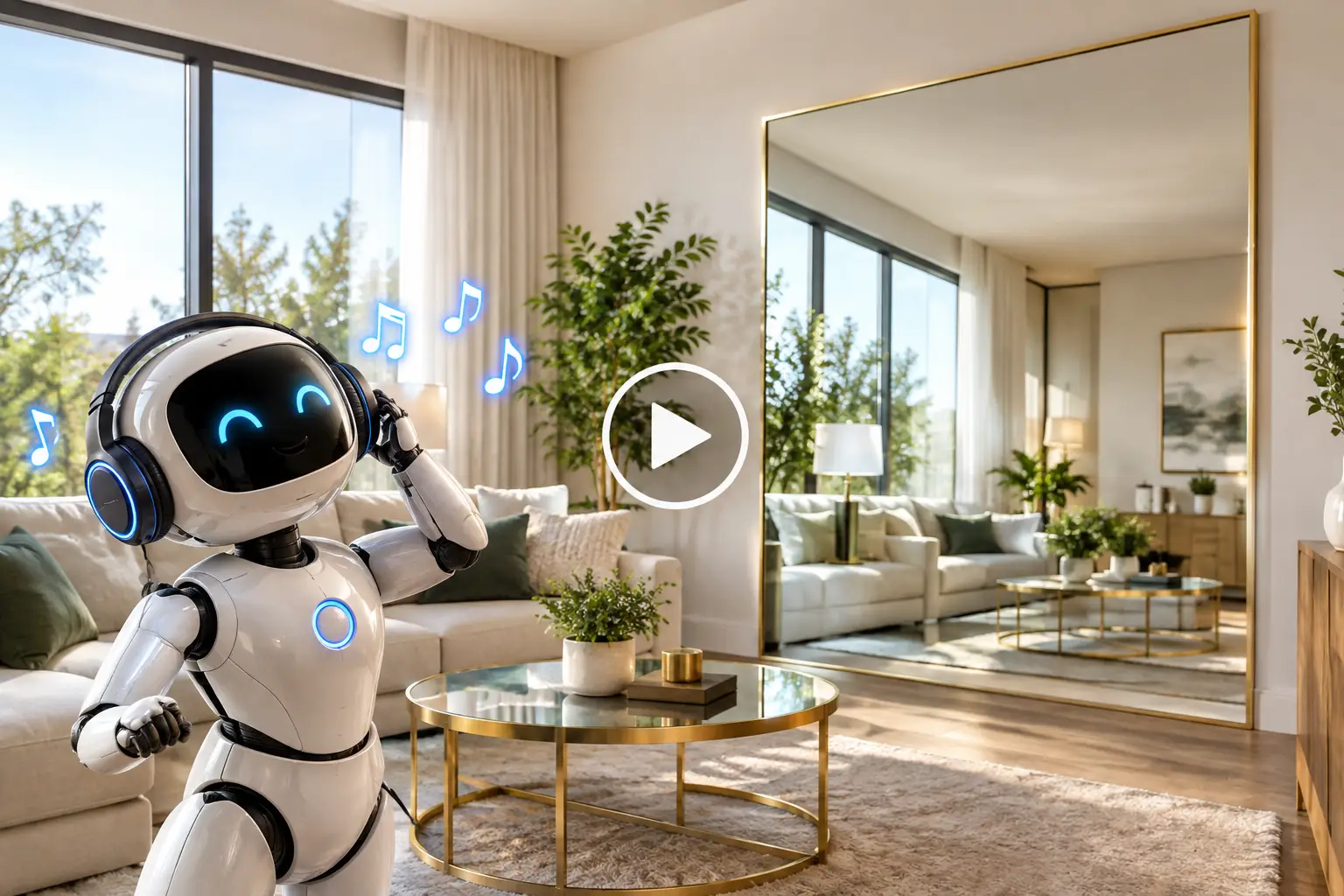
A mirror can be the quietest feature in a room and still change everything around it. Current mirror trends are less about hanging a decorative object on an empty wall and more about using glass intentionally: to improve light, create visual depth, support daily routines, and give a finished space a stronger point of view.
For homeowners planning a renovation or new build, the best mirror is rarely an off-the-shelf afterthought. Size, edge treatment, frame finish, mounting method, and wall conditions all affect the final result. A well-planned custom mirror should feel like it belongs to the architecture of the room, whether it sits above a vanity, stretches across a home gym wall, or brings light into a darker hallway.
Mirror Trends Moving Beyond Basic Vanities
The shift in mirrors is toward scale and purpose. Small, centered mirrors are still useful in compact powder rooms, but many current projects call for mirrors that cover more visual ground. Oversized panels, paired mirrors, rounded profiles, and warm-toned frames are all appearing in homes because they make rooms feel considered without adding unnecessary clutter.
The most successful approach depends on the room. A large mirror can make a narrow entry feel more open, but it needs to reflect something worth seeing – natural light, a feature wall, or an attractive sightline. In a bathroom, a full-width mirror may be the most practical choice, particularly over a double vanity. In a bedroom or dressing area, a full-length mirror should support how the space is actually used, not simply fill a blank wall.
Larger Mirrors With Cleaner Sightlines
Large-format mirrors continue to lead mirror trends because they offer an immediate visual benefit. They bounce light farther into a room and reduce the broken-up look created by several small accessories. For contemporary bathrooms, a mirror that runs nearly the full width of the vanity can make even a modest footprint feel more generous.
That said, bigger is not automatically better. The mirror should leave enough room for sconces, faucets, cabinetry, and wall finishes to breathe. Accurate measurement is especially important when a mirror meets tile, a backsplash, a soffit, or uneven walls. Custom cutting allows the glass to follow the real dimensions of the space rather than forcing the design to work around a standard size.
Soft Shapes Add Contrast to Straight Lines
Arched, oval, pill-shaped, and rounded-corner mirrors bring softness to rooms dominated by square cabinetry and hard tile lines. These profiles can make a bathroom feel warmer and more relaxed while still looking polished. They also work well in entries, bedrooms, and commercial reception areas where a curved shape can become a focal point.
A rounded mirror is not the right answer for every setting. In a highly tailored, linear design, a crisp rectangular mirror may better reinforce the room’s geometry. The goal is not to follow a shape because it is popular. It is to choose one that supports the cabinetry, lighting, and overall style of the project.
Warm Metals and Thoughtful Frames
Black-framed mirrors remain a strong option, especially alongside black shower hardware, railing details, or modern lighting. At the same time, warmer finishes are gaining ground. Brushed brass, bronze, champagne tones, and natural wood frames can soften a cool gray bathroom or add depth to a neutral interior.
Frame selection should be coordinated, not copied exactly. Matching every finish can make a space feel flat. A bronze mirror frame, for example, may sit beautifully with matte black plumbing fixtures if other warm accents appear in the lighting, hardware, or wood tones. What matters is that the finishes look intentional together.
For rooms where a frame would feel too heavy, polished or beveled edges offer a clean alternative. An unframed mirror keeps attention on the tile, wallpaper, or millwork behind it while still providing a refined finished edge.
Functional Mirror Trends for Everyday Spaces
The strongest mirror decisions balance appearance with daily use. Bathrooms are a clear example. A homeowner may love the look of two individual mirrors over a double vanity, but one continuous panel can provide more usable reflection, simplify cleaning, and make the room feel wider. The better choice depends on sink placement, lighting locations, and how many people use the space at once.
In a home gym, dance area, or studio, wall-to-wall mirror panels can improve visibility and create a more professional environment. These installations require careful planning for panel seams, wall preparation, and safe mounting. The finished surface should look aligned and secure, not like a collection of loosely added pieces.
Mirrors also have practical value in commercial settings. A well-placed custom mirror can brighten a salon, make a boutique feel more open, or support a functional washroom renovation. In each case, durability and installation quality matter as much as the visual effect. Commercial spaces experience more daily use, and the glass needs to be properly fitted to withstand it.
Lighting Is Part of the Mirror Plan
A mirror cannot compensate for poor lighting, but it can make good lighting work harder. Positioning a mirror opposite or adjacent to a window can distribute daylight through a room. Near a vanity, side-mounted sconces usually provide more even facial lighting than a fixture mounted directly above the mirror.
Before choosing mirror dimensions, consider where the electrical boxes, sconces, and switches will land. This avoids an all-too-common issue: a beautiful mirror design that conflicts with the lighting plan once installation day arrives. Early coordination gives the room a cleaner result and can prevent costly changes later.
Placement Matters More Than a Trend Cycle
A mirror should reflect a benefit, not a problem. Facing a bright window, artwork, an open dining room, or an attractive stairway can add depth and light. Facing a cluttered storage area, an unflattering ceiling feature, or a busy television wall may double the distraction instead.
Height matters too. Above a bathroom vanity, the mirror should relate to the faucet, backsplash, and lighting rather than follow a fixed rule. In an entry, it should be positioned for the people using it. Full-length mirrors need enough clear floor space to be useful and should be securely mounted, particularly in homes with children or active pets.
This is where professional guidance makes a difference. AGS helps clients translate a design idea into glasswork that fits the actual site conditions, with attention to measurement, mounting, finish details, and final alignment. Custom mirrors are simple in concept, but precision is what makes them look built in rather than added on.
Choosing a Mirror That Will Still Feel Right Later
Trends can be a helpful starting point, but the most durable choices usually begin with the room’s fixed elements. Tile, cabinetry, flooring, window placement, and lighting are more expensive to change than a frame finish. Start there, then select a mirror that reinforces the design instead of competing with it.
For a long-term investment, prioritize proportion and quality over novelty. A generous unframed mirror, a well-made warm metal frame, or a subtle rounded profile can remain appealing long after a particular social-media look fades. If you are drawn to a bolder style, use it where replacement will be easier, such as a framed accent mirror in a powder room or bedroom.
The right mirror does more than fill a wall. It brings light to the places you use most, supports the way your household moves through the space, and gives the finished room the confidence of careful craftsmanship.
Leave a Reply